Skip links

Travel Health

Staying Safe and Healthy in Bali: A Medical Guide for Tourists

Bali is famous for its beaches, temples, cafés, and vibrant nightlife. For most visitors, it is a place to relax and recharge – but different traffic rules, climate, food, and animals can still challenge your health.

At Asia Pacific Medical Centre (APMC), we regularly treat travellers for scooter injuries, dehydration, food poisoning, and animal bites. The good news: most of these problems are preventable with a bit of preparation and by knowing where to go when you need help.

This guide walks you through the most common health risks in Bali, how to reduce them, and how APMC can support you 24/7 while you enjoy the island.

Common Health Risks for Visitors in Bali and How to Prevent it

1. Scooter and Road Accidents

Scooters and motorbikes are the most popular way to move around Bali, but they are also a leading cause of serious injury among tourists. Narrow roads, mixed traffic, sand or gravel on the surface, and limited street lighting all increase risk – especially for riders who are not used to scooters.

Accidents often result in cuts, fractures, head injuries, and “Bali kiss” exhaust burns on the legs.

How to Prevent it

• Wear a proper helmet and closed shoes every single ride. Your insurance may not cover you if you are not wearing a helmet or do not have the correct licence.

• Check the scooter (brakes, lights, tyres, horn) before leaving the rental shop.

• Avoid riding if you are inexperienced – consider taxis or ride-hailing apps instead, especially at night or in busy areas.

• Never drive under the influence of alcohol or drugs.

2. Heat, Sun, and Dehydration

Bali’s tropical climate is hot and humid all year. Long days outdoors, beach activities, hiking, or simply walking in the sun can quickly lead to dehydration or heat-related illnesses if you are not used to the climate. Common symptoms include headache, dizziness, fatigue, and nausea.

How to Prevent it

• Drink water regularly throughout the day – not only when you are thirsty.

• Use broad-spectrum sunscreen and reapply after swimming or sweating.

• Wear a hat, sunglasses, and light, loose-fitting clothing.

• Take breaks in the shade during the hottest hours (roughly 11:00–15:00).

Photo by Sora Shimazaki

3. Food and Water Borne Illness

Trying new food is part of the Bali experience, but changes in diet and hygiene standards can cause travellers’ diarrhoea, vomiting, and stomach cramps. Risk increases with undercooked food, food that has been standing out for too long, and drinks made with unsafe water or ice.

How to Prevent it

• Choose restaurants and warungs that look busy and clean. High turnover usually means fresher food.

• Make sure meat and seafood are fully cooked and served hot.

• Be cautious with buffets, food that has been sitting at room temperature, and raw salads if you have a sensitive stomach.

• Drink bottled or properly filtered water. Avoid tap water and be cautious with ice unless you trust the source.

4. Allergies

New ingredients, medications, insect bites, and stings can trigger mild to severe allergic reactions. Some people experience rashes and itching; others may develop swelling of the lips or tongue, difficulty breathing, or anaphylaxis, which is a medical emergency.

How to Prevent it

• If you have known allergies, bring your regular medications (antihistamines, inhalers, or EpiPen) with you from home.

• Inform travel companions about your allergies and how to help in an emergency.

• Be cautious when trying new foods, supplements, or medications.

• Seek medical attention immediately if you develop facial swelling, difficulty breathing, or widespread hives.

Photo by cottonbro studio

Photo by Joydeb Biswas

5. Animal Bites and Rabies Risk

Dogs, cats, and monkeys are common in Bali’s streets, beaches, and temple areas. Indonesia, including Bali, is recognised as a rabies-risk area, and local authorities continue to report cases in certain regions despite ongoing vaccination campaigns.

Any bite or scratch that breaks the skin, especially from a dog or monkey, must be taken seriously.

How to Prevent it

• Do not touch, feed, or play with dogs, cats, or monkeys, even if they appear healthy or friendly.

• Avoid areas where animals gather, especially around temples and beaches.

• Educate children not to approach animals.

• If bitten or scratched:
– Wash the wound immediately with soap and running water for at least 15 minutes
– Apply antiseptic if available
– Seek urgent medical care for rabies risk assessment and vaccination

• Do not wait for symptoms — rabies prevention is time-sensitive.

6. Alcohol-Related Emergencies

Holiday mood plus heat can lead to heavier alcohol use than usual. This increases the risk of falls, scooter crashes, aggressive behaviour, and alcohol poisoning. Travel insurers also frequently exclude cover for accidents involving alcohol or riding without a licence and helmet.

How to Prevent it

• Stay within your personal limits, especially in hot weather.

• Alternate alcoholic drinks with water to reduce dehydration.

• Avoid riding scooters or swimming after drinking alcohol.

• Never accept drinks from strangers or leave drinks unattended.

• Remember that many travel insurance policies exclude coverage for alcohol-related accidents.

Photo by energepic.com

Photo by Amine

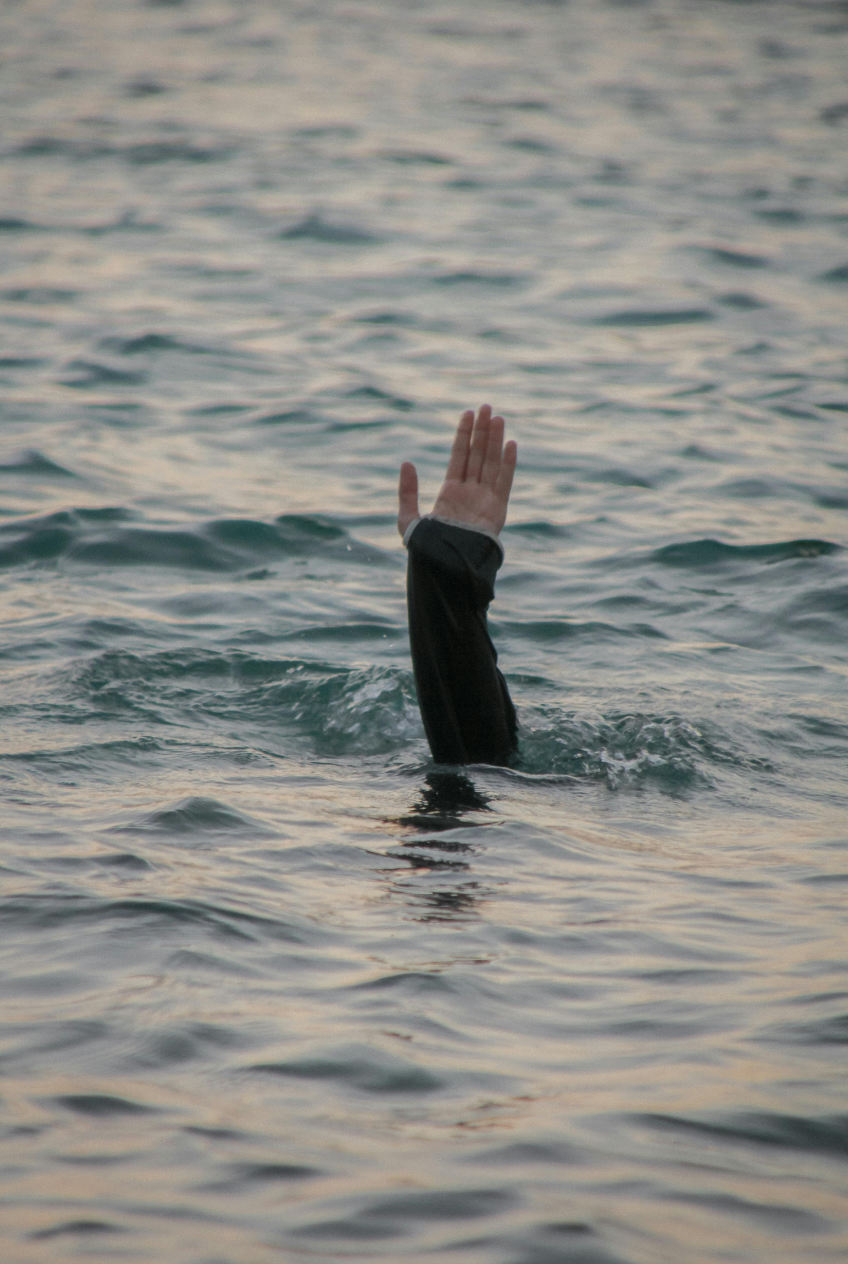
7. Water Incidents and Near-Drowning

Strong currents, unexpected waves, boat trips to surrounding islands, and waterfall swimming can all be risky, particularly for inexperienced swimmers. Maritime and water-related incidents involving tourists are reported every year in Bali.

How to Prevent it

• Swim only in designated areas and pay attention to warning flags and lifeguards.

• Avoid swimming alone, especially at beaches with strong currents or at waterfalls.

• Be cautious with alcohol before swimming or boating.

• Wear life jackets during boat trips, snorkeling, and water sports.

• If caught in a rip current, stay calm, float, and signal for help rather than fighting the current.

How Asia Pacific Medical Centre Can Help During Your Stay

Asia Pacific Medical Centre is a 24/7 clinic in Umalas, serving Canggu, Umalas, Kerobokan, and nearby areas. The clinic provides both emergency and non-emergency care for tourists, expats, and locals.

Our Core Services Include:

• 24/7 doctor consultations for acute and chronic conditions

• On-call doctor service for villa or hotel visits

• IV hydration and boosters for dehydration, heat exhaustion, and recovery after illness

• Laboratory services for fast, accurate diagnosis

• Rabies vaccination and wound care after animal bites or scratches

• Sexual wellness and STD consultation in a confidential setting

• Ambulance and referrals to higher-level hospitals when needed

• 24/7 pharmacy with clear guidance on medication use

You can reach Asia Pacific Medical Centre at +62 811 3999 599 or via the “Book Appointment” button on the clinic’s website.


Pre-Travel Checklist Before You Fly to Bali

1. Review your vaccinations and discuss any recommended travel vaccines with your doctor 4–8 weeks before departure.

2. Organise travel insurance that covers medical treatment, scooter use, and medical evacuation if needed.

3. Save key contacts such as your insurer’s emergency number and Asia Pacific Medical Centre’s contact details.

4. Pack a small travel health kit, including personal medications, basic first-aid supplies, and copies of prescriptions.

5. Share your plans and emergency contact details with a trusted friend or family member

Sources & Further Reading

1. CDC – Traveler View: Indonesia
https://wwwnc.cdc.gov/travel/destinations/traveler/none/indonesia

2. WHO – Travel Advice & Travel and Health
https://www.who.int/travel-advice; https://www.who.int/health-topics/travel-and-health

3. TravelHealthPro – Indonesia: Country Information 
https://travelhealthpro.org.uk/country/253/indonesia

4. UK Government – Foreign Travel Advice: Indonesia (Health) 
https://www.gov.uk/foreign-travel-advice/indonesia/health

5. Love Bali – Rabies in Bali: A Persistent Threat to Public Health and Tourism 
https://lovebali.baliprov.go.id/article/detail/1760530882563/

6. TravelHealthPro – Country List & Vaccine Recommendations
https://travelhealthpro.org.uk/countries

7. Smartraveller – Indonesia Travel Advice & Safety
https://www.smartraveller.gov.au/destinations/asia/indonesia