
Travel Health
Understanding Influenza A (H3N2) Subclade K (“Super Flu”): A Medical Guide for Patients and Families
In recent months, headlines around the world – including Indonesia – have highlighted a new influenza strain often referred to as “super flu”. Scientifically, this virus is known as influenza A (H3N2) subclade K.
This variant has spread quickly in several countries and is now responsible for a large share of seasonal flu cases in parts of the world.
At Asia Pacific Medical Centre (APMC), we understand that news about new variants can be worrying. This guide explains, in clear language:
• What influenza A (H3N2) subclade K is
• How it is different from “regular” seasonal flu
• Typical symptoms and who is most at risk
• How you can protect yourself and your family
• How APMC can help if you become unwell
This article is for general information only and does not replace a consultation with a doctor. If you have symptoms or concerns, please seek medical advice.
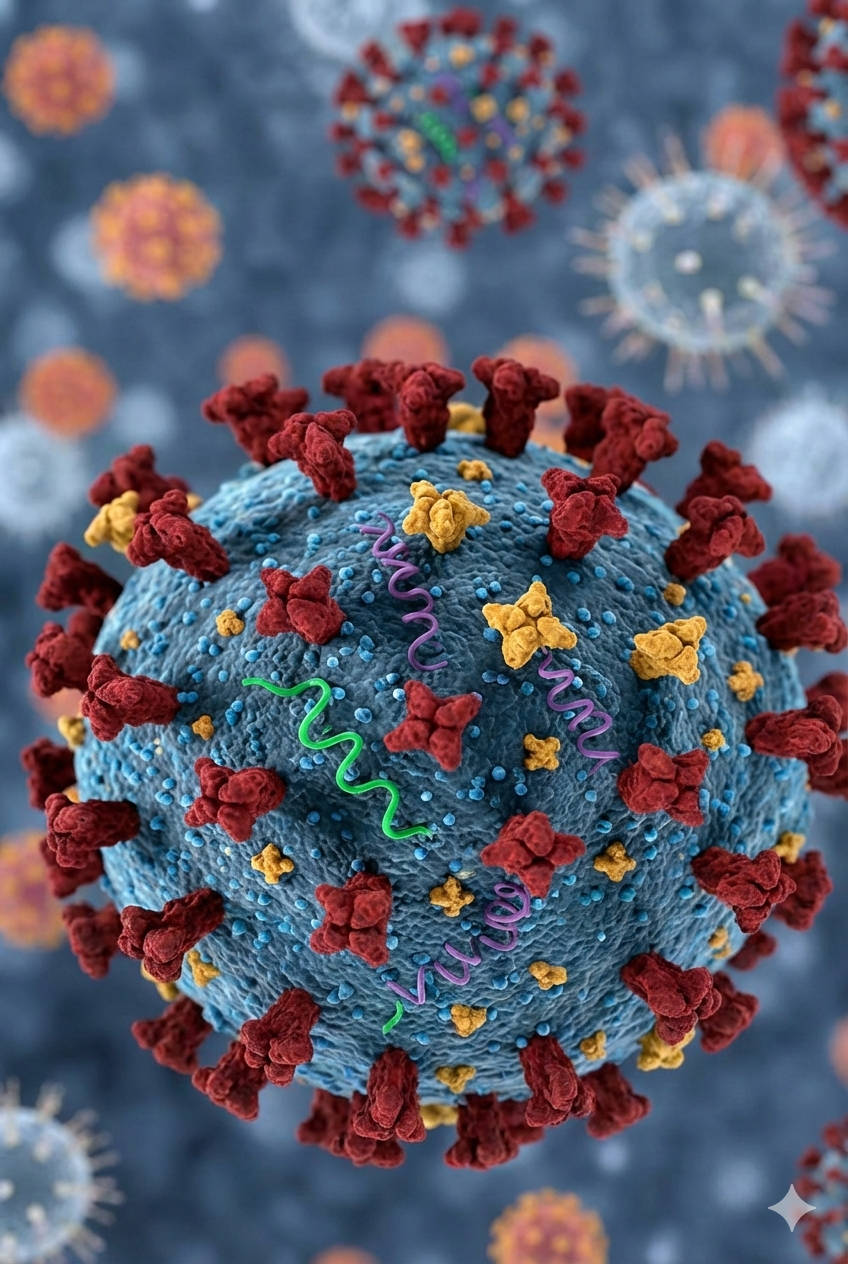
What Is Influenza A (H3N2) Subclade K?
Seasonal influenza (“flu”) is caused by influenza viruses that change slightly every year. One major type is influenza A (H3N2).
Within H3N2, scientists track smaller genetic branches called clades and subclades. Subclade K is one of these newer branches – essentially a mutated form of H3N2 that has accumulated several changes in the virus’s surface protein (hemagglutinin).
Key points:
• Subclade K is still seasonal influenza, not a completely new disease.
• It belongs to the same broader H3N2 family that has circulated for years.
• Genetic changes may affect how easily it spreads and how well it matches existing vaccines.
The World Health Organization (WHO) has reported that in some regions, especially the Western Pacific, A(H3N2) subclade K now accounts for the majority of sequenced H3N2 viruses, driving recent increases in seasonal flu.
Why Are People Calling It “Super Flu”?

Photo by Andrea Piacquadio:
The term “super flu” is popular in media and social networks, but it is not a formal medical term. It reflects public concern about:
• Rapid spread – subclade K has driven unusually early and intense flu seasons in parts of the US, Europe, and Asia.
• Genetic drift – it carries multiple mutations that make it somewhat different from the H3N2 strains used in recent vaccines.
However, current evidence from WHO, national health agencies, and peer-reviewed studies indicates:
• No clear sign that subclade K is intrinsically more severe than other seasonal influenza strains on average.
• Severe cases still occur, especially in high-risk groups (older adults, young children, pregnant women, and people with chronic illnesses) – just as with other H3N2 seasons.
In other words: subclade K is a serious flu virus that spreads efficiently, but it is not a “new pandemic virus”. The best tools remain familiar: vaccination, masking when needed, hand hygiene, good ventilation, and early treatment in high-risk patients.
Where Has Subclade K Been Detected?
Global situation
• WHO reports that A(H3N2) subclade K has expanded rapidly and now represents a high proportion of circulating H3N2 viruses in some regions.
• Several countries in North America, Europe, and Asia have experienced early and intense flu seasons with subclade K dominance.
Situation in Indonesia
In Indonesia, the Ministry of Health and various provincial health offices have reported:
• Dozens of confirmed cases of influenza A(H3N2) subclade K detected via whole-genome sequencing.
• The virus is circulating as part of routine seasonal influenza, and the national situation is currently described as under control.
Local public-health guidance in Indonesia focuses on vaccination, early testing, and standard flu precautions, rather than panic.
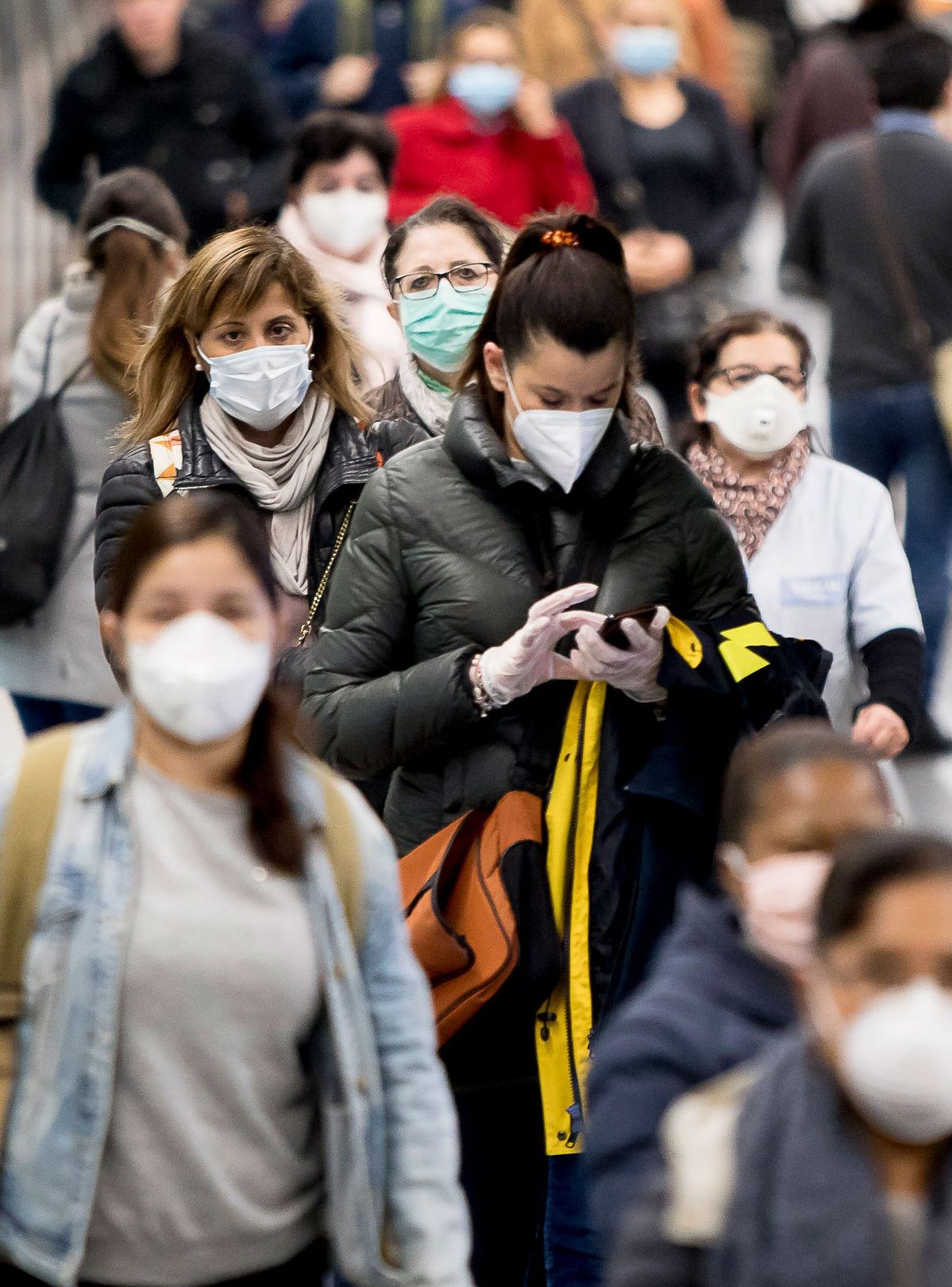
Photo by: Refinery29
Symptoms: How Does Influenza A (H3N2) Subclade K Present?

Photo by Andrea Piacquadio:
Clinically, subclade K infection looks very similar to “regular” flu. Common symptoms include:
• Fever (often high, with chills)
• Dry cough and runny or blocked nose
• Sore throat
• Headache and muscle aches
• Marked fatigue and body weakness
• Sometimes nausea, vomiting, or diarrhoea (more often in children)
Because the symptoms overlap with other respiratory infections (including COVID-19), lab testing is sometimes needed to confirm the diagnosis, especially in high-risk patients.
Complications can include pneumonia, worsening of chronic lung or heart disease, sinus or ear infection, and in rare cases, respiratory failure or sepsis.
Who Is Most at Risk of Complications?

As with other seasonal influenza strains, certain groups have a higher risk of developing severe illness, being hospitalised, or dying:
• Adults aged 60–65+
• Children under 5, especially under 2 years
• Pregnant women and women in the immediate postpartum period
• People with chronic conditions such as asthma, COPD, heart disease, diabetes, kidney or liver disease
• People with weakened immune systems (cancer treatment, HIV, long-term steroids)
• Residents of nursing homes or long-term care facilities
Even healthy adults can experience severe flu, but most ICU admissions and deaths occur in these risk groups.
Vaccination and early treatment are particularly important for them.
How Asia Pacific Medical Centre Can Help

Asia Pacific Medical Centre in Umalas is equipped to manage suspected or confirmed influenza A (including subclade K) with a full range of services for tourists, expats, and local residents.
Our Support Includes:
• 24/7 doctor consultations for clinical assessment of flu-like illness
• On-site testing, including rapid influenza tests and additional blood tests when needed
• Antiviral treatment and supportive care, particularly for high-risk patients
• IV hydration and boosters for patients who are significantly dehydrated or very weak
• On-call doctor service for villa or hotel visits
• Ambulance and referral for patients needing hospital admission or intensive care
• Preventive care and vaccination (when seasonal flu vaccines are available)
You can reach Asia Pacific Medical Centre at +62 811 3999 599 or via the “Book Appointment” button on the clinic’s website.
Sources & Further Reading
1. WHO – Seasonal Influenza: Global Situation (Dec 2025) – https://www.who.int/
2. Gavi – Superflu or Same Old Flu? How Subclade K Influenza Is Playing Out Worldwide – https://www.gavi.org/
3. JAMA – Influenza A(H3N2) Subclade K Virus: Threat and Response – https://jamanetwork.com/
4. Kementerian Kesehatan RI – Situasi Influenza A(H3N2) Subclade K di Indonesia – https://www.kemkes.go.id/
5. UNAIR / Local expert commentary on Superflu and vaccination – https://unair.ac.id/
6. CNN Indonesia / DetikHealth – News and explainer articles on Superflu in Indonesia
7. Time, Wired – International coverage explaining the “super flu” / subclade K context