
Travel Health
Complete Health Checklist for Expats Living in Bali
Moving to Bali as an expat is an exciting adventure — the tropical lifestyle, vibrant culture, and incredible food make it one of the most desirable places to live in Southeast Asia. However, living in a tropical environment comes with unique health considerations that are very different from what you may be used to back home.
This comprehensive health checklist is designed specifically for expats living in Bali. Whether you’ve just arrived or have been here for years, use this guide to make sure you’re covered on all fronts.
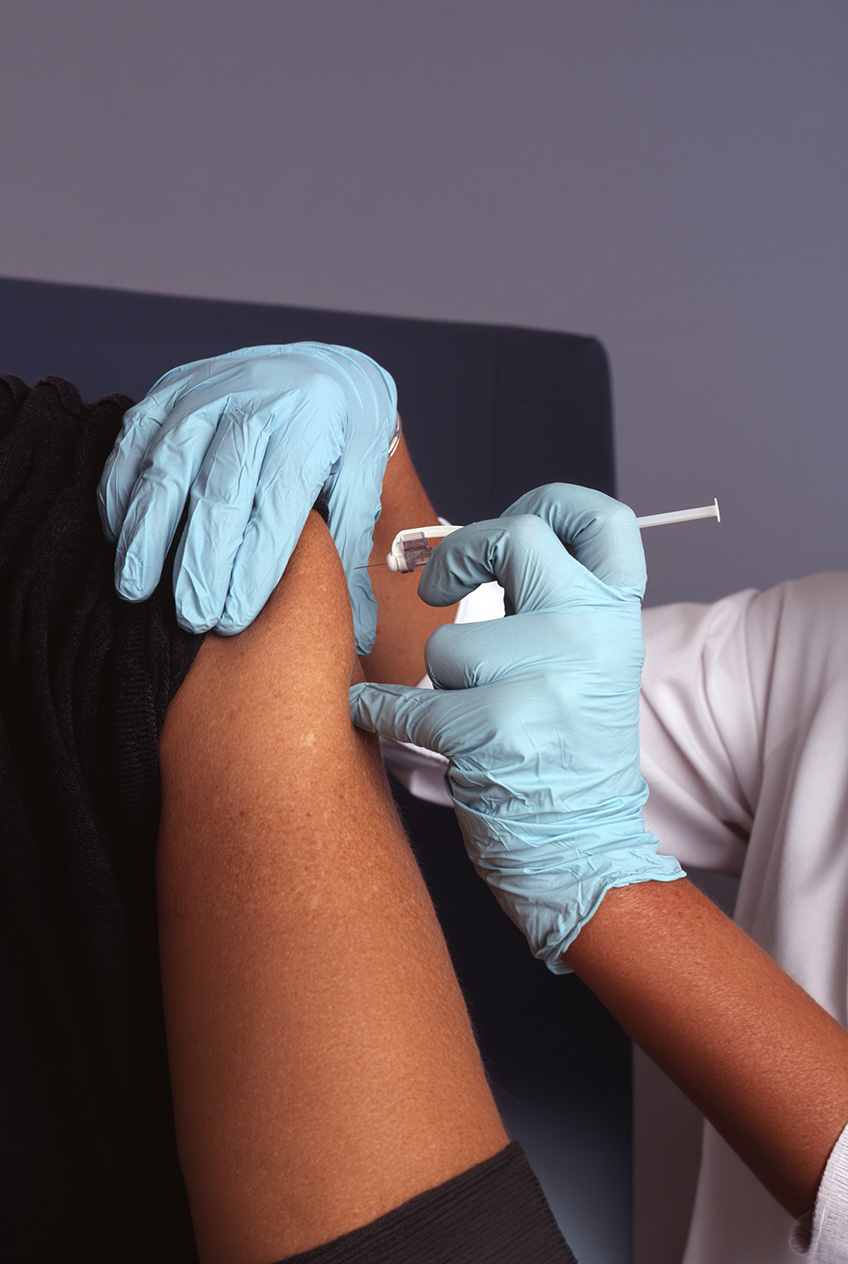
1. Vaccinations: Are You Up to Date?
Before and after arriving in Bali, ensure you have received the following vaccinations. Some are essential for tropical climates, while others are highly recommended for long-term residents.
Essential Vaccinations
• Hepatitis A & B — Transmitted through contaminated food/water and bodily fluids. Highly recommended for all expats.
• Typhoid — Common in areas with inconsistent food hygiene standards. Oral or injectable options available.
• Rabies — Bali has a significant dog and monkey population. Pre-exposure vaccination is strongly advised.
• Tetanus/Diphtheria/Pertussis (Tdap) — Ensure your booster is current (every 10 years).
• Japanese Encephalitis — Recommended for long-term rural residents or those spending significant time outdoors.
• Influenza — Flu strains circulate year-round in tropical climates. Annual vaccination is recommended.
Dengue Vaccine
Dengue fever is one of the most common mosquito-borne illnesses in Bali. The dengue vaccine (Dengvaxia or Qdenga) is now available and recommended for individuals who have previously been infected with dengue, or for long-term residents living in high-risk tropical areas. Speak with our doctors at APMC to find out if the dengue vaccine is right for you.
Sources: CDC – Indonesia Traveler Health | WHO – Dengue Vaccine Position Paper | Destination Health Clinic – Bali Vaccines
2. Routine Health Screenings
Annual health check-ups are important regardless of where you live, but certain screenings are especially relevant for expats in tropical environments.
Annual Checks
• Complete Blood Count (CBC) — Detects anemia, infection, and underlying immune conditions.
• Blood glucose & HbA1c — Screening for diabetes, which is exacerbated by high-sugar tropical diets.
• Liver function tests — Important if you consume alcohol regularly or take long-term medications.
• Kidney function (creatinine, urea) — Dehydration is common in Bali’s heat.
• Lipid panel (cholesterol) — Cardiovascular health screening.
• Thyroid function (TSH) — Can be disrupted by stress and climate change.
• STI screening — Recommended annually for sexually active adults.
Tropical Disease Screening
• Dengue antibody test — If you’ve experienced dengue symptoms, a post-recovery test confirms immunity status.
• Malaria screen — Less common in Bali proper, but relevant if traveling to outer islands.
• Stool & parasite test — Recommended every 6–12 months, especially if you eat frequently at local warungs.
Sources: CDC – Yellow Book: Indonesia Malaria | Aetna International – Indonesia Health Risks

Photo by Freepik

Photo by Freepik
3. Day to Day Health Habits
Prevention is far more effective than cure. Incorporating these habits into your daily life in Bali will dramatically reduce your risk of illness.
Food & Water Safety
• Drink only bottled or filtered water — tap water in Bali is not safe to drink.
• Be cautious with ice — only consume ice from trusted sources that use purified water.
• Eat at reputable establishments — when trying street food, look for high turnover and freshly cooked items.
• Wash fruits and vegetables thoroughly or peel them before eating.
Sun & Heat Protection
• Apply SPF 30+ sunscreen daily — UV exposure in Bali is intense year-round.
• Stay hydrated — aim for at least 2.5–3 liters of water per day.
• Avoid prolonged outdoor exposure between 10am–3pm when UV is strongest.
• Recognize signs of heat exhaustion: dizziness, nausea, excessive sweating, rapid heartbeat.
Mosquito Protection
• Use DEET-based insect repellent, especially during dawn and dusk.
• Sleep under a mosquito net or in air-conditioned rooms.
• Eliminate standing water around your home to reduce mosquito breeding.
• Wear long sleeves and light-colored clothing during high-risk hours.
Sources: CDC – Indonesia Travel Health Behaviors | Unicare Clinic – Expat Health Checklist Bali
4. Mental Health Matters
The expat experience can be exhilarating, but it also comes with real mental health challenges. Culture shock, isolation, and homesickness are common, particularly in the first year.
Signs to Watch For
• Persistent low mood, anxiety, or irritability lasting more than two weeks.
• Social withdrawal or loss of interest in activities you used to enjoy.
• Difficulty sleeping or changes in appetite.
• Feeling disconnected from your surroundings or struggling with purpose.
What You Can Do
• Build a social network — join expat groups, community events, and language exchanges.
• Establish routine — structure your days to create a sense of stability.
• Consider speaking with a mental health professional — telehealth options make this accessible.
• Consult our doctors at APMC — we can refer you to trusted mental health professionals in Bali.
Sources: WHO – Mental Health Resources | InterNations – Expat Mental Health Guide

Photo by Freepik

Photo by Freepik
5. Emergency Preparedness
Living abroad means you need to be more proactive about emergency health planning. Don’t wait until you’re sick to figure out where to go.
Have These Ready
• A list of your current medications, dosages, and generic names (in English and Indonesian).
• Copies of your medical records and any known allergies.
• The contact number of a trusted local clinic — save +62 811 3999 599 (APMC) in your phone.
• Your health insurance card and policy number accessible at all times.
• Nearest hospital address in case of major emergencies.
Travel Insurance & Health Coverage
Many expats underestimate the importance of comprehensive health coverage in Indonesia. Standard travel insurance may not cover long-term conditions or be accepted at all facilities. Consider a dedicated expat health insurance plan that covers:
• Outpatient consultations and specialist visits.
• Hospitalization and surgery.
• Emergency medical evacuation.
• Dental and optical coverage.
Sources: CDC – Plan for Healthcare During Travel | WHO – International Travel and Health
6. Finding the Right Healthcare in Bali
Not all clinics in Bali are equal. For expats, it’s important to find a clinic that understands international patients, communicates in English, and has reliable diagnostic capabilities.
Asia Pacific Medical Centre (APMC), located in Umalas, offers 24/7 medical services tailored to the needs of tourists and expats in Bali. Our services include:
• General doctor consultations (in English).
• IV hydration and vitamin drip therapy.
• Laboratory testing and blood work.
• On-call doctor service — we come to you.
• Vaccinations including rabies, hepatitis, and influenza.
• STI testing and sexual health consultations.
• 24/7 pharmacy.
Sources: Asia Pacific Medical Centre | Unicare Clinic – Finding a Doctor in Bali

Photo by Freepik