
Travel Health
Bali Belly: Symptoms, Causes, Treatment, and When to See a Doctor
Bali Belly is one of the most common health concerns for visitors in Bali. This guide explains the symptoms, causes, prevention tips, treatment options, and when it is time to see a doctor.
Why Bali Belly Is So Common Among Travelers
Bali is known for its beaches, cafés, wellness culture, tropical weather, and unforgettable holiday experiences. But for many travelers, the excitement of exploring a new destination also comes with physical stress. Long flights, jet lag, changes in routine, unfamiliar food, dehydration, late nights, and a warm climate can all place extra pressure on the digestive system.
That is why Bali Belly remains one of the most common travel health concerns on the island. Some people experience only mild discomfort for a day or two, while others feel weak enough to stay in bed, miss activities, or even postpone travel plans. Understanding what it is and how to respond early can help travelers recover faster and avoid unnecessary complications.
Many visitors assume Bali Belly only happens after eating from street vendors, but that is not always true. It can also happen after eating at seemingly safe places if the body is already run down, if food hygiene is inconsistent, or if a traveler’s stomach is sensitive to sudden changes in diet and environment.


Photo by Bernard Hermant on Unsplash
What Is Bali Belly?
Bali Belly is not a formal medical diagnosis. It is a widely used term for stomach upset or gastrointestinal illness that develops during a stay in Bali. Symptoms can appear suddenly or build gradually over several hours. In many cases, they are related to infection, food contamination, unsafe water, poor hygiene, or a sensitive digestive response to new food and travel fatigue.
What makes Bali Belly challenging is that it can range from mild inconvenience to a more serious condition involving dehydration and extreme weakness. Because of that, it is important to pay attention not only to the stomach symptoms themselves, but also to how they affect your energy, hydration, and ability to function normally.
For short-term visitors, even a mild case can disrupt tours, beach days, restaurant plans, and onward travel. For families with children, older travelers, or people with lower immunity, symptoms can feel more intense and may require professional care sooner.
Common Symptoms of Bali Belly
The symptoms of Bali Belly vary from person to person, but there are several warning signs that appear frequently. Sometimes symptoms start with bloating or stomach discomfort before progressing into more obvious digestive issues. In other cases, nausea, cramping, and diarrhea begin quite suddenly.
Some travelers recover within 24 to 48 hours with rest, hydration, and a light diet. Others continue to feel sick for several days, especially if they are unable to replace lost fluids properly or keep food down. The longer symptoms continue, the more important it becomes to consider medical advice.
- Frequent diarrhea
- Stomach cramps or abdominal pain
- Nausea or vomiting
- Bloating and digestive discomfort
- Loss of appetite
- Fatigue or weakness
- Mild fever
- Dizziness, dry mouth, or other signs of dehydration

Photo by freepik
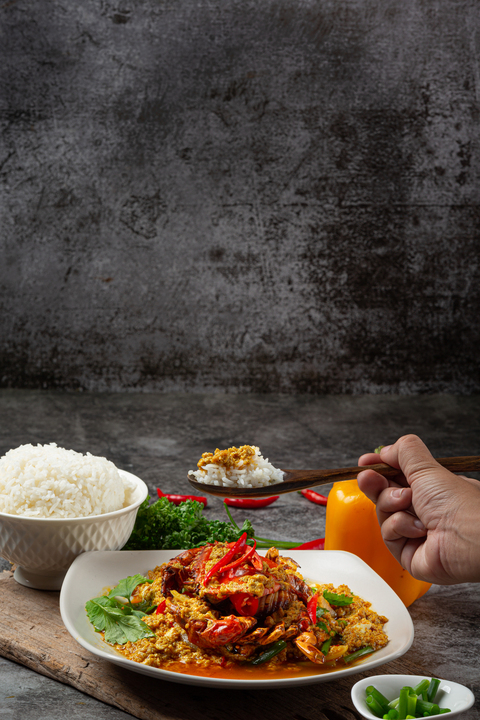
Photo by freepik
What Causes Bali Belly?
There is no single cause of Bali Belly. Instead, it is usually linked to one or more risk factors. Contaminated food or water is a common trigger, but the body’s overall condition also matters. A tired, dehydrated traveler who is eating irregularly, drinking alcohol, and sleeping poorly is often more vulnerable than someone who is well rested and hydrated.
It is worth remembering that Bali Belly is not a sign that Bali is unsafe. It is simply a common travel-related health issue that can occur in many tropical destinations. The key is prevention where possible and a smart response if symptoms develop.
- Food that has been poorly stored or reheated
- Unsafe drinking water or contaminated ice
- Undercooked or raw food from unreliable sources
- Poor hand hygiene before meals
- Viral or bacterial stomach infections
- Sudden changes in diet, spice levels, or meal timing
- Lower immunity due to exhaustion, alcohol, heat, or jet lag
How to Treat Bali Belly at an Early Stage
If symptoms are mild, early self-care can often make a big difference. The main priorities are rest, hydration, and avoiding foods or drinks that place more stress on the stomach. Try to sip water slowly throughout the day rather than drinking too much at once. Oral rehydration solutions can be helpful if you are losing a lot of fluids.
Simple foods are usually easier to tolerate during recovery. Rice, bananas, soup, toast, crackers, and other bland options are often better than spicy, oily, or heavy meals. It is also wise to avoid alcohol and too much caffeine while your stomach settles.
At the same time, monitor your body carefully. If your symptoms are getting stronger instead of improving, or if you are unable to rest and rehydrate properly, self-care alone may not be enough. That is when professional assessment becomes more important.


When Should You See a Doctor?
One of the biggest mistakes travelers make is waiting too long before seeking help. Many hope the symptoms will pass overnight, but severe diarrhea, vomiting, and dehydration can drain the body quickly. Medical care should be considered sooner rather than later if any of the following apply:
For some people, the biggest concern is dehydration. Once that happens, rest alone may not be enough. Timely medical support can help restore fluids, assess the cause of symptoms, and support a safer, faster recovery.
- Symptoms last more than 24 to 48 hours
- You cannot keep food or fluids down
- You feel weak, dizzy, or increasingly dehydrated
- There is persistent vomiting or severe diarrhea
- You have fever or significant abdominal pain
- You need to recover quickly before a flight or important travel plan
How to Reduce the Risk of Bali Belly
While there is no way to reduce the risk to zero, travelers can lower their chances significantly by making a few careful choices. Prevention is not about being afraid of every meal. It is about staying aware and looking after your body while adjusting to a new environment.
These habits may seem simple, but they make a real difference. Travelers are often busiest when they first arrive, which is exactly when the body may be most vulnerable. Slowing down slightly during the first days can help reduce the risk of getting sick.
- Choose food from clean and reputable places
- Wash your hands before eating
- Be cautious with raw seafood or undercooked food
- Drink bottled or trusted filtered water if unsure
- Support your immune system with sleep and proper nutrition
- Avoid excessive alcohol, especially in hot weather
- Stay hydrated throughout the day

Why Early Recovery Support Matters
Even when Bali Belly is not medically severe, it can still ruin a holiday if it is ignored. A traveler who keeps moving around, spends a full day in the heat, or continues with tours while dehydrated may feel much worse by the evening. What might have improved with early rest and hydration can become a longer and more exhausting recovery.
Acting early is often the smartest approach. That means slowing down, replacing lost fluids, choosing the right foods, and getting professional support when symptoms start to go beyond what feels manageable. For travelers with packed schedules, quick and reliable medical access can be especially valuable.
Bali Belly is common, but it should not be dismissed when the body is clearly struggling. Listening to early warning signs can help you protect both your health and the rest of your trip.
Sources
CDC Yellow Book: Travelers’ Diarrhea
https://www.cdc.gov/yellow-book/hcp/preparing-international-travelers/travelers-diarrhea.html
CDC Travelers’ Health: Travelers’ Diarrhea
https://wwwnc.cdc.gov/travel/page/travelers-diarrhea
CDC Yellow Book: Food and Water Precautions for Travelers
https://www.cdc.gov/yellow-book/hcp/preparing-international-travelers/food-and-water-precautions-for-travelers.html
Mayo Clinic: Traveler’s Diarrhea, Diagnosis and Treatment
https://www.mayoclinic.org/diseases-conditions/travelers-diarrhea/diagnosis-treatment/drc-20352188
Mayo Clinic: Traveler’s Diarrhea, Symptoms and Causes
https://www.mayoclinic.org/diseases-conditions/travelers-diarrhea/symptoms-causes/syc-20352182
Mayo Clinic: Dehydration, Symptoms and Causes
https://www.mayoclinic.org/diseases-conditions/dehydration/symptoms-causes/syc-20354086