
Health & Wellness
Staying Healthy as a Digital Nomad in Bali: A Practical Guide
Bali is one of the world’s most popular destinations for digital nomads, but remote work in paradise still comes with health challenges. This guide covers hydration, posture, sleep, burnout, digestion, and when to seek medical support.
Why Digital Nomad Health Matters in Bali
Bali offers a lifestyle that feels almost perfectly designed for remote workers: tropical weather, cafés, coworking spaces, beaches, fitness communities, wellness retreats, and a strong international network.
But the same freedom that makes Bali attractive can also make it easy to ignore basic health routines. Long laptop hours, irregular sleep, tropical heat, social events, travel fatigue, and inconsistent meals can affect the body faster than expected.
Staying healthy in Bali is not about living perfectly. It is about building practical habits that support your energy, concentration, mood, digestion, and long-term ability to enjoy the island while still doing your best work.

Photo by Jared Rice on Unsplash

Photo by Mohamad Ilham Fauzan on Unsplash
The Hidden Health Challenges of Remote Work
Remote work often looks flexible from the outside, but it can quietly create unhealthy patterns. Without fixed office hours, many people start working late into the night, skipping meals, sitting for too long, and checking messages even during rest time.
Working from cafés, villas, coworking spaces, beds, and sofas also means your posture may change throughout the day. A beautiful setting does not always mean an ergonomic setup.
For digital nomads, health problems often build gradually. You may start noticing lower energy, poor sleep, digestive discomfort, brain fog, or reduced motivation.
Common Health Issues for Digital Nomads in Bali
Digital nomads in Bali can experience a mix of travel-related and lifestyle-related health concerns. Some are connected to the tropical environment, while others come from long hours of screen-based work and inconsistent routines.
These problems may seem minor at first, but they can quickly affect productivity and quality of life if ignored.
- Dehydration and low energy from heat, coffee, alcohol, or long workdays
- Digestive discomfort or Bali Belly from diet changes and travel stress
- Neck, shoulder, back, or wrist pain from poor workstation setup
- Headaches and eye strain from long screen time
- Sleep disruption from time zone differences and late-night work
- Burnout, anxiety, or mental fatigue from blurred work-life boundaries

Photo by freepik

Photo by freepik
Hydration Is More Important Than You Think
Bali’s warm and humid climate can make dehydration happen easily, especially if you are moving between outdoor heat and air-conditioned rooms.
Dehydration may show up as headaches, tiredness, dizziness, dry mouth, poor concentration, or a heavy feeling in the body.
A simple daily hydration habit can prevent many problems. Keep water near your laptop, drink before you feel thirsty, and consider oral rehydration when sweating heavily or recovering from stomach issues.
- Start the day with water before coffee
- Keep water visible while working
- Drink more after beach time, gym sessions, scooter rides, or alcohol
- Watch for dizziness, dry mouth, headaches, and unusual fatigue
Protect Your Posture and Work Setup
One of the biggest health challenges for digital nomads is posture. Bali has many beautiful places to work, but not every café chair, villa sofa, or bedroom desk is built for long working hours.
Try to create a setup that supports your neck, shoulders, back, and wrists. A laptop stand, separate keyboard, supportive chair, and regular standing breaks can make a big difference.
If pain starts affecting your work, sleep, or movement, it should not be ignored. Early attention can prevent a minor strain from becoming a long-term issue.
- Raise your screen closer to eye level
- Use a separate keyboard and mouse when possible
- Take a short movement break every hour
- Avoid working from bed for long sessions
- Stretch your neck, shoulders, hips, and wrists regularly
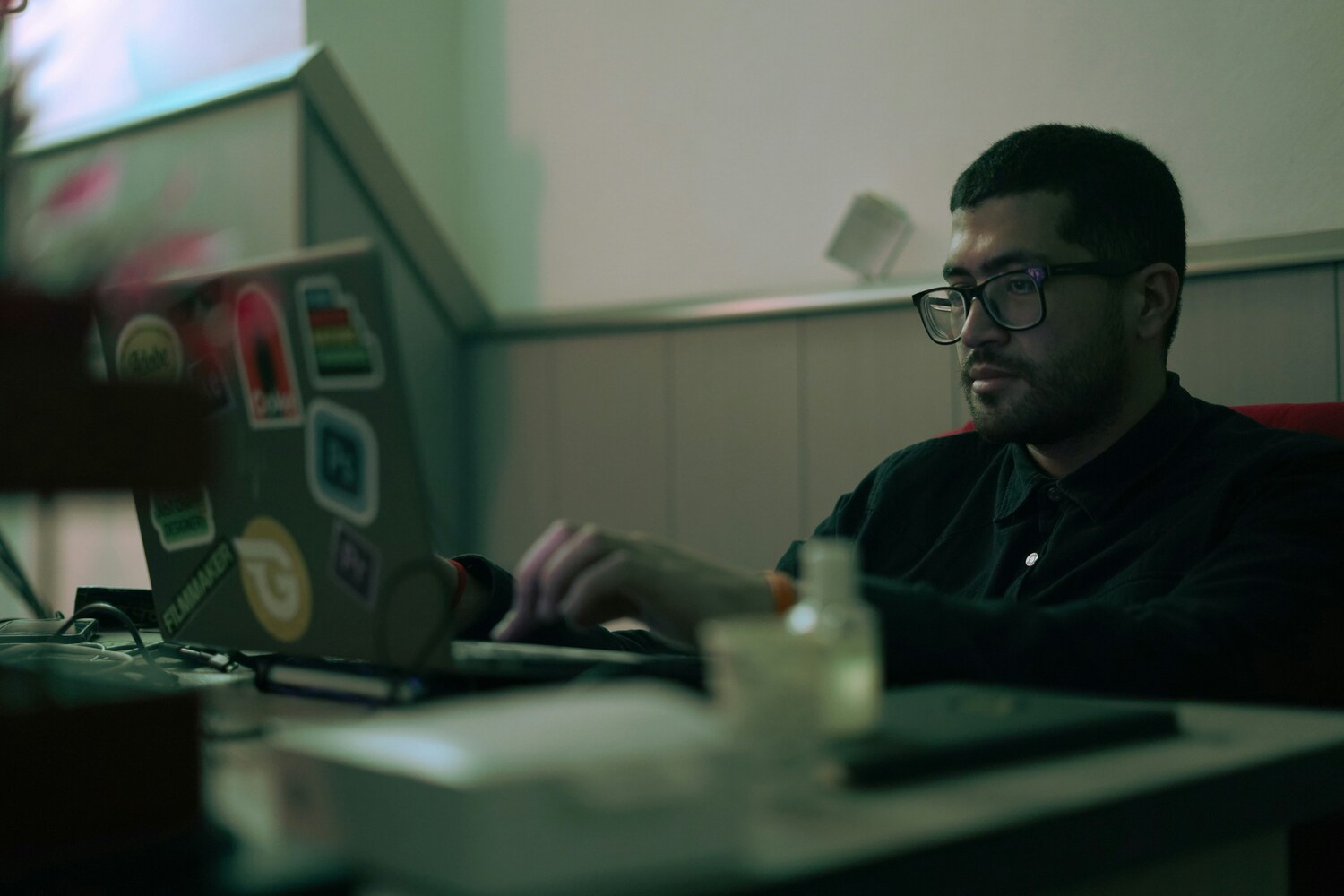
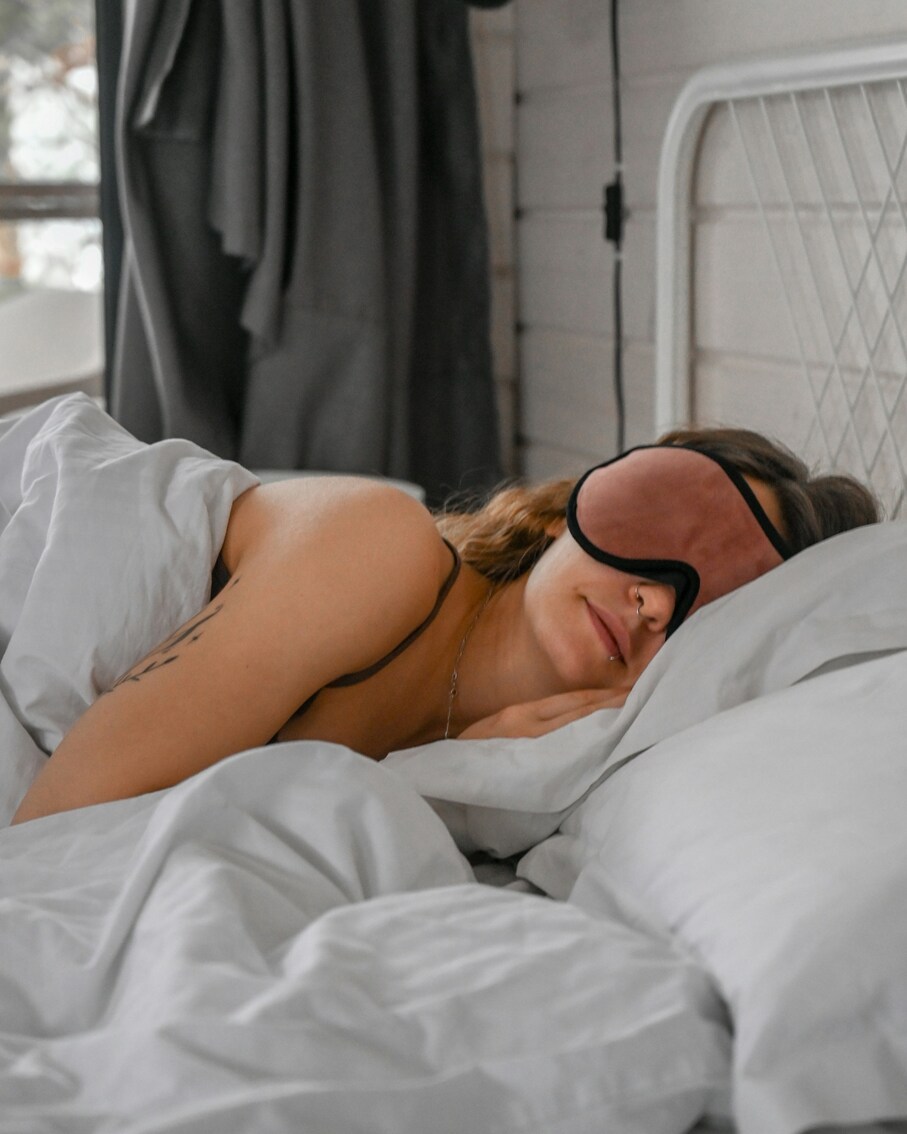
Manage Sleep, Stress, and Burnout
Bali can be exciting, but digital nomads often underestimate how much energy the lifestyle requires. Working across time zones, attending events, meeting new people, and maintaining client responsibilities can become mentally exhausting.
Burnout can look different for everyone. Some people feel constantly tired. Others feel emotionally flat, easily irritated, unfocused, anxious, or unable to enjoy things they normally like.
Protecting your mental and physical energy is part of sustainable remote work. Clear work hours, rest days, exercise, social balance, and quiet time can help.
- Set clearer start and finish times for work
- Avoid turning every evening into a work session
- Schedule rest days, not only social plans
- Notice signs of brain fog, irritability, and low motivation
When Should a Digital Nomad See a Doctor in Bali?
Many remote workers delay medical care because they are busy, unsure where to go, or assume their symptoms are not serious enough.
You do not need to wait until a condition becomes severe before speaking with a doctor. Early consultation can help identify whether the issue is minor, lifestyle-related, infection-related, or something that needs further testing or treatment.
- Ongoing fatigue that does not improve with rest
- Repeated digestive problems or persistent diarrhea
- Dizziness, dehydration, or weakness
- Fever, severe headache, or unusual pain
- Sleep problems lasting for an extended period
- Back, neck, or wrist pain that affects work
- Stress or burnout symptoms that feel difficult to manage
Sources
WHO: Guidelines on Physical Activity and Sedentary Behaviour
https://www.who.int/publications/i/item/9789240015128
British Journal of Sports Medicine: WHO 2020 Guidelines on Physical Activity and Sedentary Behaviour
https://bjsm.bmj.com/content/54/24/1451
Mayo Clinic: Dehydration, Symptoms and Causes
https://www.mayoclinic.org/diseases-conditions/dehydration/symptoms-causes/syc-20354086
Mayo Clinic: Dehydration, Diagnosis and Treatment
https://www.mayoclinic.org/diseases-conditions/dehydration/diagnosis-treatment/drc-20354092
MedlinePlus: Dehydration
https://medlineplus.gov/dehydration.html