
HEALTH GUIDE
STD Testing in Bali: What You Need to Know
Sexual health is an important yet often overlooked part of overall well-being. For tourists, expats, and locals living in Bali, accessing discreet and professional STD testing can feel uncertain or even intimidating. This guide breaks down everything you need to know: when to get tested, what’s available in Bali, and what to expect from the process.
There is no shame in getting tested. In fact, regular STI screening is a responsible and healthy habit for anyone who is sexually active.

1. Why STD Testing in Bali Matters
Bali is a global tourist hub with an active social scene. The combination of a transient population, nightlife culture, and low awareness of STI risks makes regular testing especially relevant here.
Who Should Consider Getting Tested?
- Anyone who has had unprotected sex with a new or multiple partners.
- Tourists or expats who have been sexually active during their time in Bali.
- People experiencing symptoms such as unusual discharge, sores, rashes, or burning during urination.
- Individuals who had a condom break or were unsure about protection during sexual activity.
- Anyone in a new relationship who wants to establish a health baseline with their partner.
- Sexually active adults who haven’t been tested in the past 12 months.
Many STIs including chlamydia, gonorrhea, and HIV can be completely asymptomatic. You can carry and transmit them without knowing. This is why regular testing is the only reliable way to know your status.
Sources: CDC – STI Screening Recommendations | WHO – STI Fact Sheet | Aetna International – Indonesia Health Risks
2. Common STIs and What to Look For
Understanding the most common sexually transmitted infections helps you recognize potential warning signs and make informed decisions about when to seek care.
Chlamydia
One of the most common STIs globally. Often has no symptoms, but can cause discharge, burning urination, or pelvic pain. Easily treated with antibiotics when caught early. If left untreated, it can lead to serious complications including infertility.
Gonorrhea
Often presents with discharge, painful urination, or throat/rectal symptoms. Antibiotic-resistant strains are increasing globally, so early treatment and the right medication are critical.
Syphilis
Progresses in stages. The first stage typically presents as a painless sore (chancre). Without treatment, it advances to rash, flu-like symptoms, and in later stages, serious organ damage. Fully treatable with antibiotics in early stages.
HIV
Human Immunodeficiency Virus weakens the immune system over time. Early detection is life-changing — modern antiretroviral therapy (ART) allows people with HIV to live healthy, normal-length lives.
Herpes (HSV-1 & HSV-2)
Can cause oral or genital blisters/sores. Many people with herpes are unaware they carry the virus. While there is no cure, antiviral medication effectively manages outbreaks and reduces transmission risk.
Hepatitis B & C
Transmitted through sexual contact and blood. Hepatitis B has an effective vaccine. Hepatitis C is now curable with modern direct-acting antiviral medications. Both require early detection for best outcomes.
HPV (Human Papillomavirus)
The most common STI worldwide. Some strains cause genital warts; others are linked to cervical and other cancers. HPV vaccination is available and highly effective when given before exposure.
Sources: CDC – STI Treatment Guidelines 2021 | WHO – STIs Overview | Cleveland Clinic – STIs | StatPearls – STIs (NCBI)
3. What Does STD Testing Involve?
Many people avoid STI testing out of fear of what the process involves. In reality, modern STI testing is quick, minimally invasive, and entirely confidential.
Types of Tests Available
- Blood tests — Used to screen for HIV, syphilis, hepatitis B & C, and herpes antibodies.
- Urine tests — Primary method for detecting chlamydia and gonorrhea. Simple and non-invasive.
- Swab tests — Used to collect samples from the throat, rectum, or genital area. Takes seconds and is generally painless.
- Physical examination — A doctor may visually examine for signs of sores, warts, or unusual discharge.
How Long Do Results Take?
At Asia Pacific Medical Centre, most standard STI tests produce results within the same day or within 24–48 hours, depending on the specific test. Our team will clearly explain the timeline and follow up with you promptly.
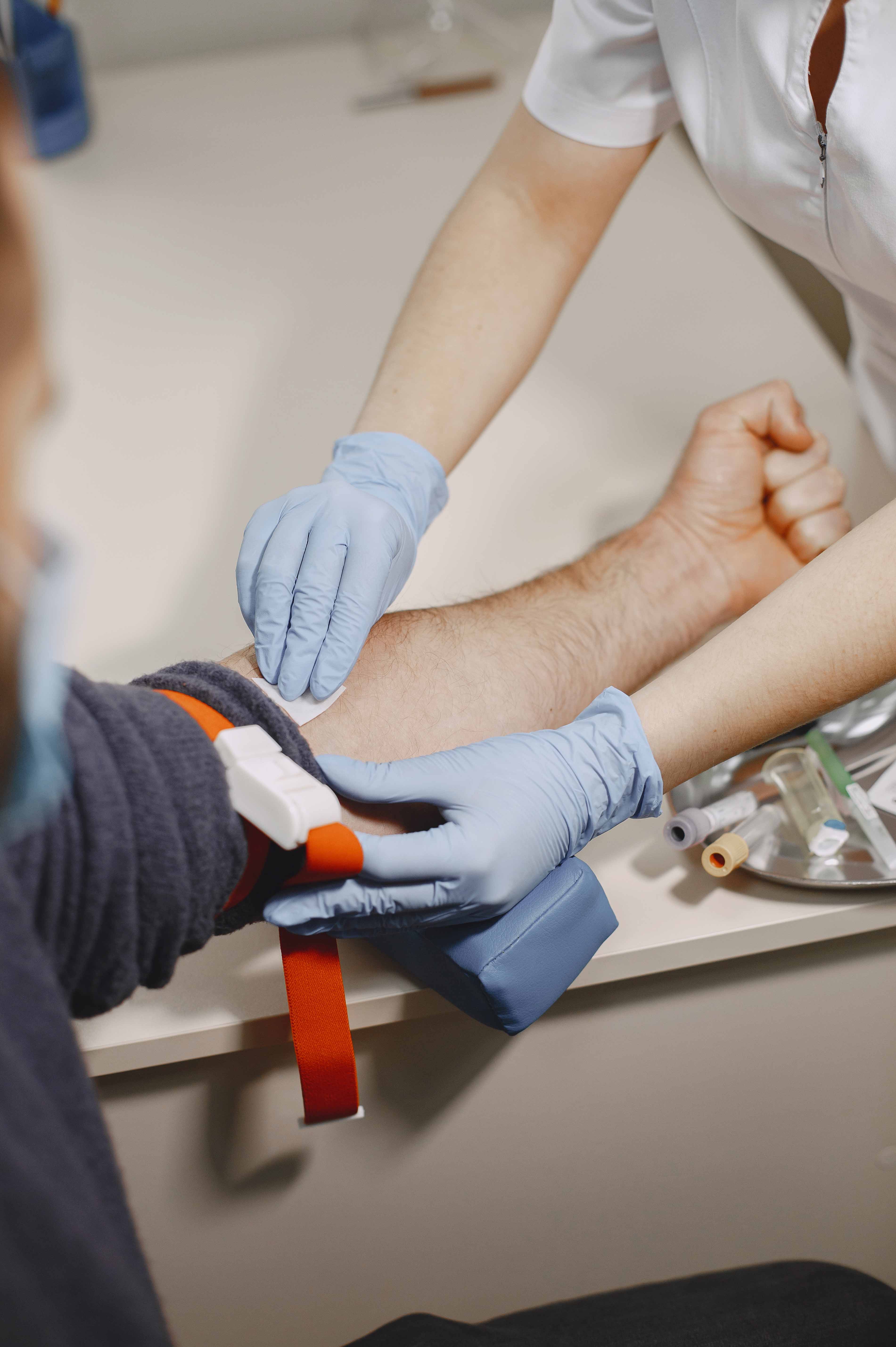
Photo by Freepik
4. Confidentiality: Your Privacy Is Protected
A common concern among patients — especially tourists and expats — is confidentiality. You may worry about judgment, about your results being shared, or about language barriers creating miscommunication.
At Asia Pacific Medical Centre, all sexual health consultations and test results are strictly confidential. Our team is non-judgmental, professional, and experienced in handling sensitive health matters. We do not share your information with third parties without your explicit consent.
What We Never Do
- Share your information with employers, family members, or hotels.
- Make assumptions about your lifestyle or behavior.
- Pass judgment — our only concern is your health and well-being.
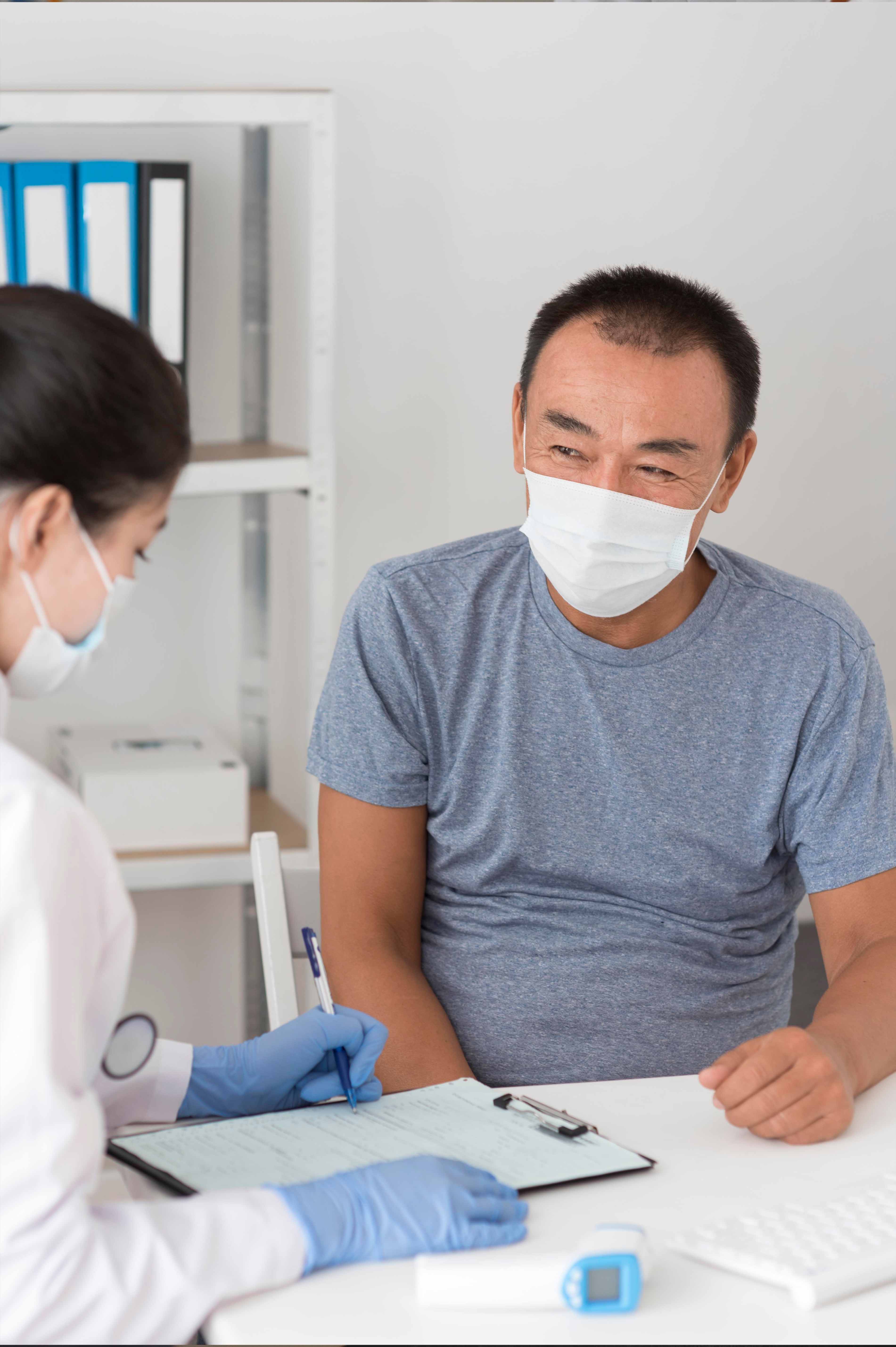
Photo by Freepik
5. Treatment Options
Being diagnosed with an STI is not the end of the story. The vast majority of STIs are either fully curable or very effectively managed with modern medicine.
Bacterial STIs (Curable)
Chlamydia, gonorrhea, and syphilis are all treatable with antibiotics. It is critical to complete the full course of treatment and avoid sexual activity until you and any partners have completed treatment.
Viral STIs (Manageable)
HIV, herpes, HPV, and hepatitis B are not curable, but they are highly manageable. HIV treatment (ART) has transformed the disease into a chronic but livable condition.
Partner Notification
If you receive a positive diagnosis, our doctors can advise you on how to safely inform any recent sexual partners. Many clinics offer partner notification support — this is an important step in controlling the spread of STIs.
Sources: CDC – STI Treatment Guidelines 2021 | WHO – STI Treatment | AAFP – Updated STI Guidelines
6. How to Get Tested at APMC
Getting tested at Asia Pacific Medical Centre is straightforward and stress-free. Here is what to expect:
- Step 1: Contact us via WhatsApp (+62 811 3999 599) or walk in — no appointment necessary.
- Step 2: Speak privately with one of our English-speaking doctors about your concerns.
- Step 3: Our doctor will recommend the appropriate tests based on your history and symptoms.
- Step 4: Samples are collected quickly and sent to our laboratory.
- Step 5: Results are delivered confidentially, with a follow-up consultation to discuss findings and next steps.

7. Prevention: The Best Strategy
Testing is important, but prevention is the most powerful tool you have. Here are the most effective ways to reduce your STI risk while in Bali:
- Use condoms consistently and correctly for all types of sexual activity.
- Get vaccinated for HPV and Hepatitis B if you haven’t already.
- Consider PrEP (Pre-Exposure Prophylaxis) if you are at higher risk of HIV exposure — speak to our doctors.
- Reduce your number of sexual partners, or ensure both partners are tested before unprotected sex.
- Avoid sharing needles, razors, or any items that can transmit blood-borne infections.
- Get tested regularly — at least once a year if sexually active, or after any potential exposure.
Sources: CDC – STI Prevention | WHO – STI Prevention Strategies | NCBI – STI Guidelines Review